

How to Choose a Moving Company in Chicago, IL
Start with a written estimate based on your full item list. Compare what each mover includes, check its credentials for your route, and ask about packing, storage, and extra fees. When hiring a moving company in Chicago, IL, understanding the scope of your agreement ensures a predictable moving experience. If you are moving from Chicago to another state, get the delivery window and coverage terms in writing. A dependable moving company in Chicago, IL should also explain how it handles high-rise access, narrow alleys, and seasonal weather delays before you sign anything.
Chicago moves require careful planning that goes well beyond booking a truck. Relocating within dense neighborhoods like Lincoln Park, Logan Square, the Loop, or surrounding suburbs like Melrose Park presents distinct logistical demands. Ask your building management about elevator reservations and designated loading docks, confirm where movers can legally park, and leave room in your schedule for city traffic or sudden weather shifts. Taking these proactive steps allows you to evaluate moving companies on operational competence and service quality rather than just base rates. Reviewing the mover’s valuation options, crew size, equipment standards, and estimated arrival window gives you a clear and realistic understanding of how moving day will proceed.
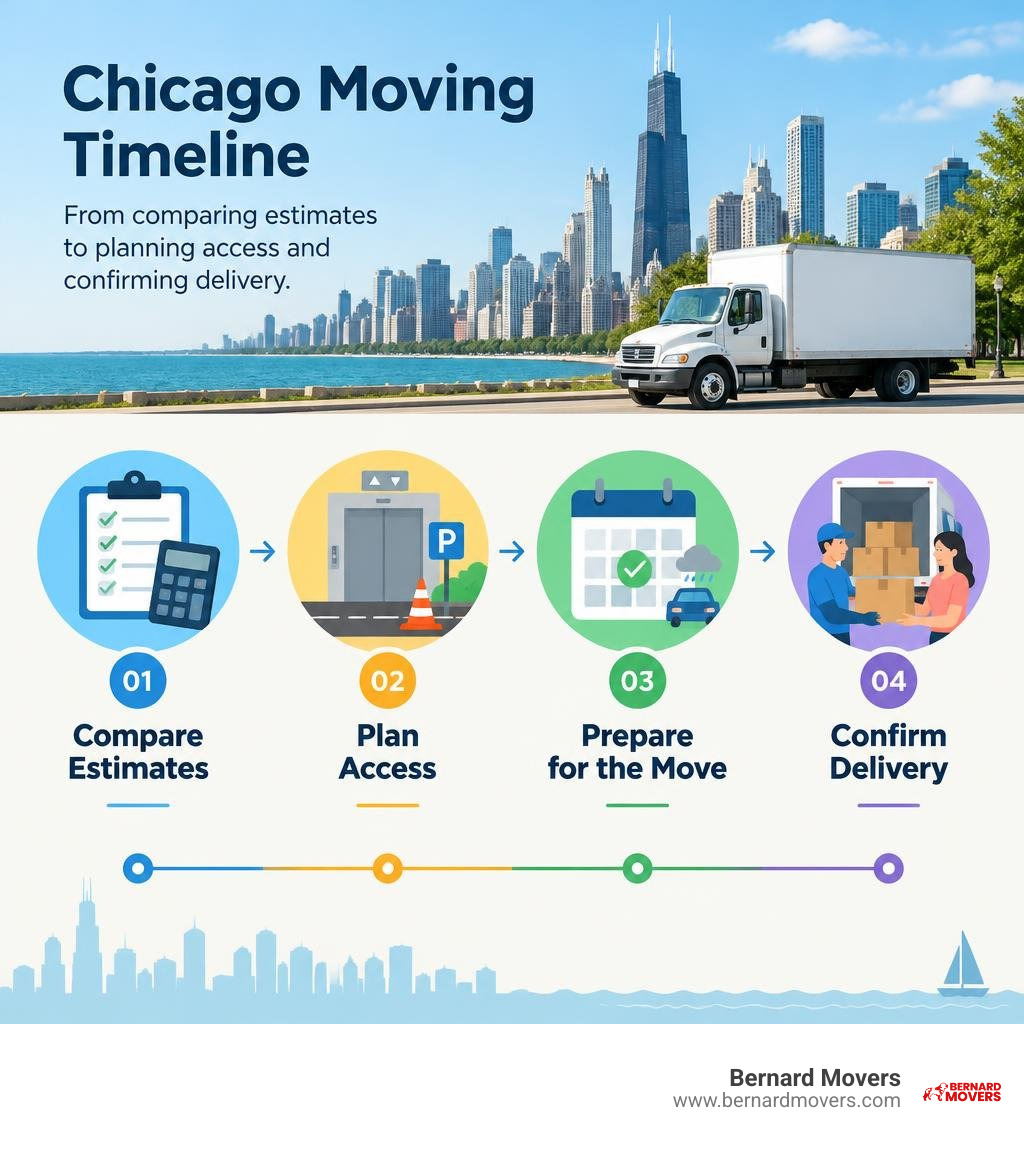
Every relocation comes with unique requirements, from straightforward residential apartment transfers to intricate multi-stage hauls. Planning a transition involves various specialized solutions, whether you are coordinating Chicago to Miami movers, arranging full-service moving across country, or researching long distance moving company rates. Choosing a reputable mover with established regional infrastructure gives you confidence that your shipment is handled responsibly at every stage.
Essential Steps for Hiring a Moving Company Chicago IL Residents Trust
Relocating across a major metropolitan area requires deliberate coordination and experienced handling. Whether you are transitioning between classic multi-story walk-ups in Lakeview, moving out of a high-rise condo in River North, or upgrading to a spacious family home in Melrose Park, selecting the right partner makes all the difference. When evaluating moving companies Chicago IL families rely on, you need a team that pairs transparent pricing with deep local expertise. A qualified moving company in Chicago, IL will also help you plan around building rules, parking restrictions, and the realities of moving through busy neighborhoods.
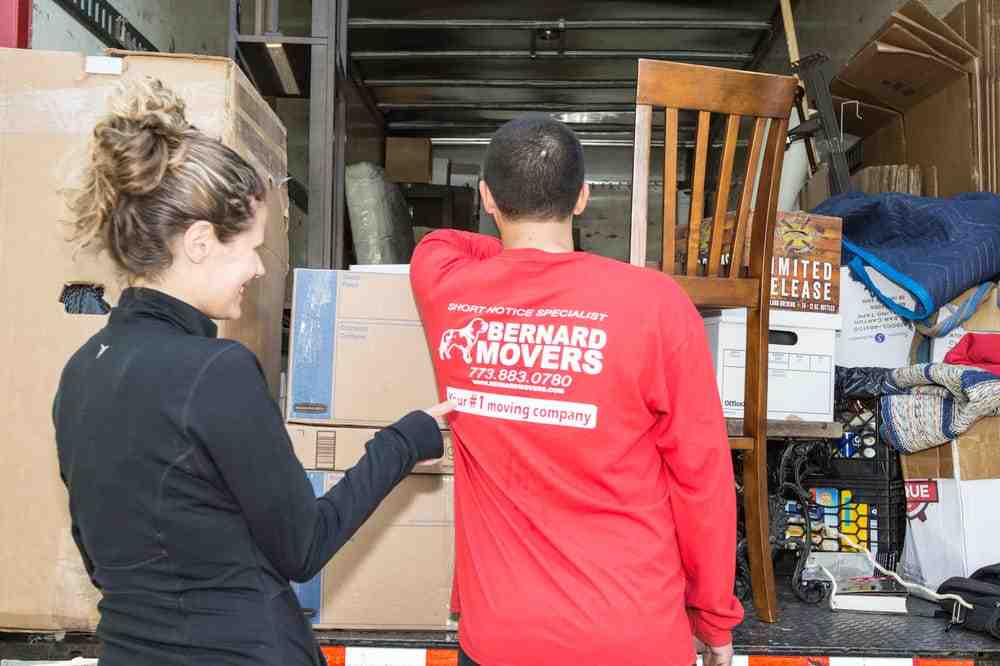
How to Vet and Select a Top-Rated Moving Company Chicago IL
Verifying legitimacy protects your property, your schedule, and your financial investment. Moving fraud and hidden charges can derail an otherwise organized move. Every reputable mover operating within the state must comply with strict licensing frameworks established by state and federal authorities.
Before booking, ensure your moving provider satisfies these core credentials:
- State Licensing: For intrastate moves within Illinois, movers must be officially registered and licensed with the Illinois Commerce Commission (ICC).
- Interstate Authority: For cross-country relocations originating in Illinois, verify an active USDOT number and Motor Carrier (MC) license through the Federal Motor Carrier Safety Administration (FMCSA).
- Insurance and Valuation Coverage: Professional carriers offer released-value protection as well as full-value protection options, giving you clear recourse in the rare event of shipment damage.
- Certificate of Insurance (COI): Managed high-rises across downtown Chicago, Streeterville, and the West Loop require a customized COI naming building management as an additional insured before granting access to freight elevators.
When partnering with seasoned Chicago movers, you ensure that your crew carries the necessary certifications and building clearance documents well before moving day arrives. Taking time to verify these details prevents costly delays, damage disputes, and unexpected fees on moving day.
Estimating Relocation Costs with a Professional Moving Company Chicago IL
Moving costs depend primarily on transit distance, shipment weight or volume, crew size, and accessibility constraints. Obtaining transparent Chicago moving company estimates ensures there are no surprises when the final invoice arrives.
| Cost Factor | Local Move (Within Chicago & Suburbs) | Long-Distance Move (Interstate) |
|---|---|---|
| Pricing Structure | Hourly rate based on crew size and truck count | Calculated by total inventory weight and travel mileage |
| Travel Charges | Standard travel fee covering transit between facilities | Line-haul transit costs, fuel surcharges, and tolls |
| Access Fees | Flights of stairs, long hallway carries, elevator wait times | Shuttle fees if large semi-trucks cannot access residential streets |
| Packing & Materials | Hourly packing labor plus used boxes and wraps | Custom crating, specialty material fees, and containerized handling |
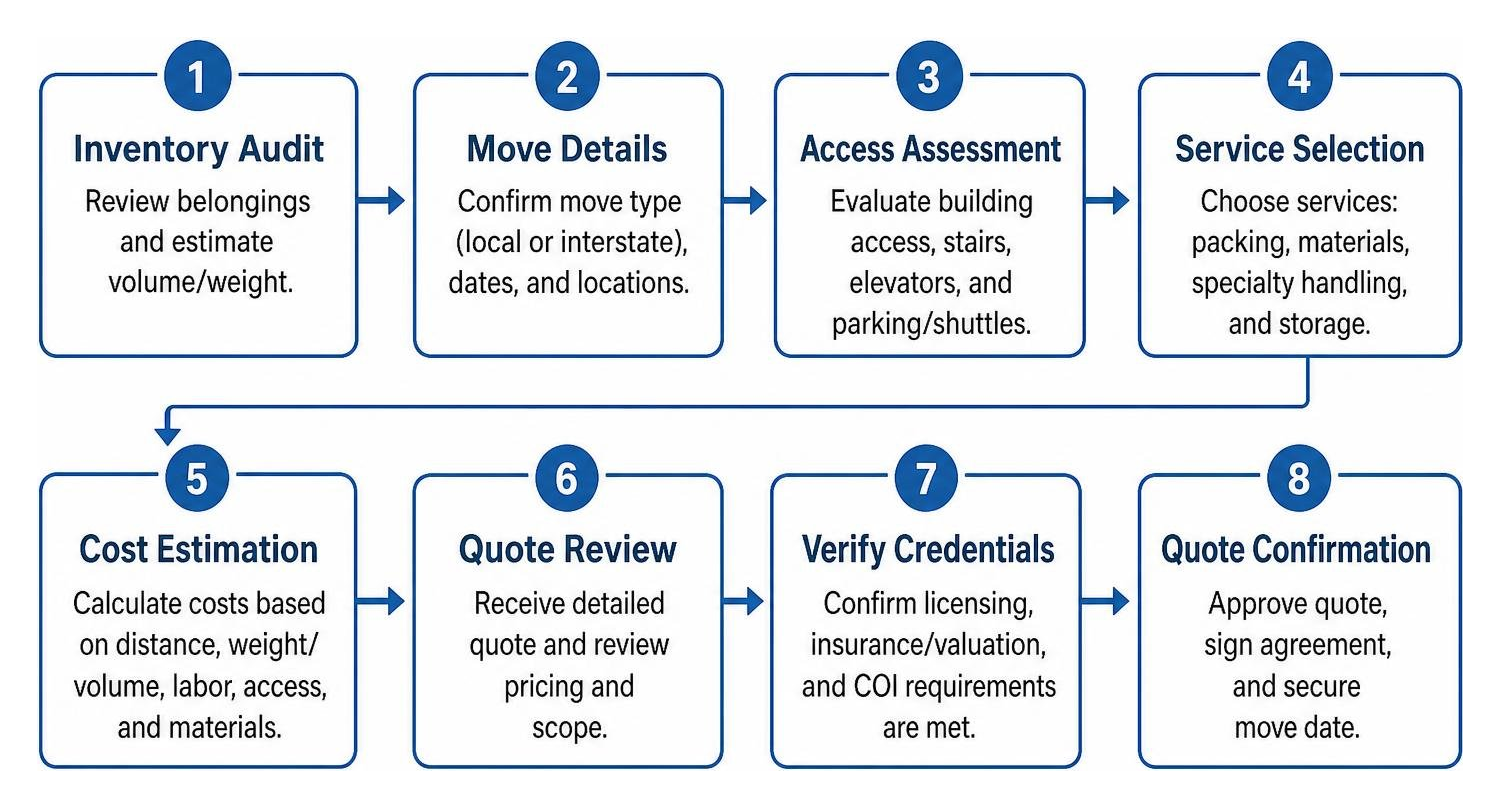
Specialized Relocation Services from Packing to Secure Storage
Every home features unique inventory demands that call for specialized handling methods. Full-service moving support covers far more than basic heavy lifting:
- Custom Packing and Crating: Delicate fine art, mirrors, marble tabletops, and high-end electronics require specialized double-walled corrugated cartons, bubble wrap, and custom wooden crating.
- Specialty Item Handling: Transporting upright pianos, heavy gun safes, commercial gym setups, or antique furnishings demands specialized dollies, heavy-duty floor runners, and hoist straps.
- Secure Climate-Controlled Storage: If your move-in and move-out dates do not align, secure warehouse vault storage facilities in the greater Chicago area keep your items protected from Midwestern humidity and freezing temperatures.
Selecting a provider capable of Chicago local moving guarantees that your fragile heirlooms and bulky furniture receive the exact care they require. Discussing your full inventory during the estimate helps the crew arrive with the proper materials, dollies, and protective equipment for an organized move.
Mastering Chicago Moving Logistics and Urban Relocation Challenges
Urban moving involves navigating narrow one-way streets, historic brick three-flats, and strict municipal ordinances. Navigating tight turnarounds in Evanston or following municipal rules like the local parking regulations in Des Plaines requires thorough route planning and city savvy. An experienced moving company in Chicago, IL will also coordinate freight elevator times, loading dock access, and street-level parking permits so the crew can complete loading and unloading without interruptions.

Navigating High-Rise Logistics, Parking Permits, and Tight Alleys
Relocating within Chicago requires mastering distinct architectural and municipal hurdles:
- Freight Elevator Reservations: Most managed residential towers in the Loop, Gold Coast, and South Loop restrict move-ins and move-outs to strict two- to three-hour windows during specific weekday hours. Missing these slots can lead to rescheduling penalties.
- Alleyways and Loading Docks: Chicago’s signature rear alleys and loading docks are often narrow and tightly shared with service vehicles. Knowing truck clearance limits prevents blockages and property damage.
- City Parking Permits: Securing temporary “No Parking” signs through the local aldermanic ward office or city permitting portal ensures the moving truck has an authorized, dedicated space directly outside your building.
- Stairwells and Narrow Entryways: Historic walk-ups across neighborhoods like Bucktown and Lincoln Square frequently feature spiral or narrow rear stairways. Professional movers use door jamb protectors, floor runners, and disassembly methods to protect both your furniture and the property.
Enlisting dedicated local movers Chicago residents depend on ensures these logistical details are resolved well in advance. Confirming these arrangements early also gives you time to notify neighbors and building staff about the scheduled move.
Seasonal Prep, Timelines, and Booking Your Move
Relocation timelines in Illinois are closely tied to the calendar. Summer brings peak leasing cycles, high moving volume, and tighter schedule availability. Winter moves demand weather-ready preparations, such as salting walkways, monitoring winter storm forecasts, and protecting hardwood floors from slush and snow.
Follow this structured timeline for a streamlined moving experience:
- 6 to 8 Weeks Before: Request written estimates, conduct a thorough room-by-room inventory audit, and select your preferred moving date.
- 4 Weeks Before: Reserve your building freight elevator, order packing supplies, and contact utility providers to schedule service transfer dates.
- 2 Weeks Before: Secure municipal parking permits, obtain building-specific COIs, and finalize the moving day schedule with your mover.
- 1 Week Before: Pack essential overnight bags, disassemble non-essential furniture, confirm arrival windows, and prep major appliances.
Working with Chicago professional movers gives you the operational support needed for an organized transition. Whether you are staying in the heart of the city or moving to nearby communities like Melrose Park, Skokie, Elmhurst, or Park Ridge, our team at Bernard Movers brings decades of proven experience to every relocation. Contact us today to organize seamless relocation support with Bernard Movers and lock in your moving date.